
Dispatch · September 28, 2025 · 6 min · By Xiomara Brandt
Neuromodulators: how they soften wrinkles
Relaxing the muscles that fold the skin, the most popular cosmetic treatment.
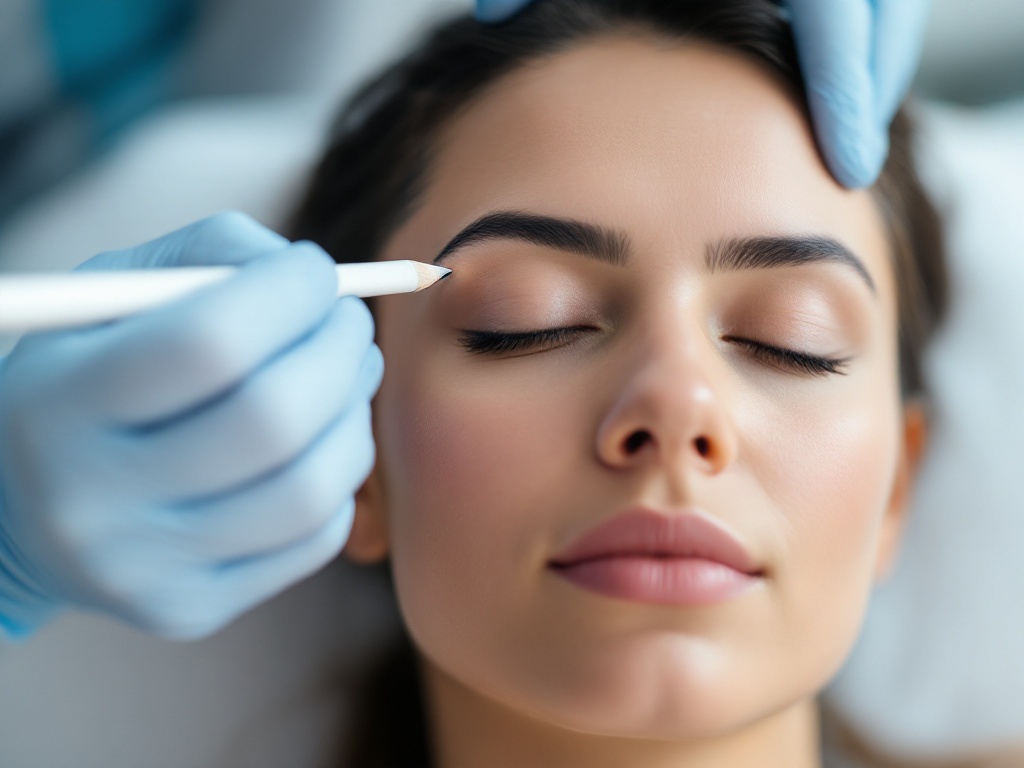
Neuromodulators are the most popular cosmetic treatment in the world, and understanding how they work clarifies both their power and their limits.
These products work by temporarily relaxing the specific muscles that create dynamic wrinkles, the lines that form when you make expressions, like frown lines between the brows, forehead lines, and crow's feet. By relaxing these muscles, the overlying skin folds less, softening existing lines and preventing them from deepening. Beyond wrinkles, they are used to slim the jaw (masseter), lift the brow subtly, soften neck bands, reduce a gummy smile, and treat excessive sweating, among other uses. Results develop over days and last several months, requiring maintenance.
The key limit is that neuromodulators address dynamic wrinkles from muscle movement, not static lines etched into the skin at rest (which need filler or resurfacing) or volume loss (which needs filler). This is why they are often combined with other treatments. The treatment is quick with no downtime, and a skilled injector produces a natural, refreshed result that still allows expression, overdone treatment that freezes the face is a technique failure, not an inherent feature. For prevention, starting modest treatment before lines become deeply etched is increasingly common. For patients, neuromodulators are an effective, well-established tool for expression lines, best understood as one part of facial rejuvenation, and best delivered by an experienced injector who preserves natural movement while softening the lines that age the face.
Related reading: Lasers and light treatments for facial skin and Achieving natural results with non-surgical treatments.